Cold Storage, Warm Mistakes: The Operational Risks That Hardware Wallets Cannot Protect You From
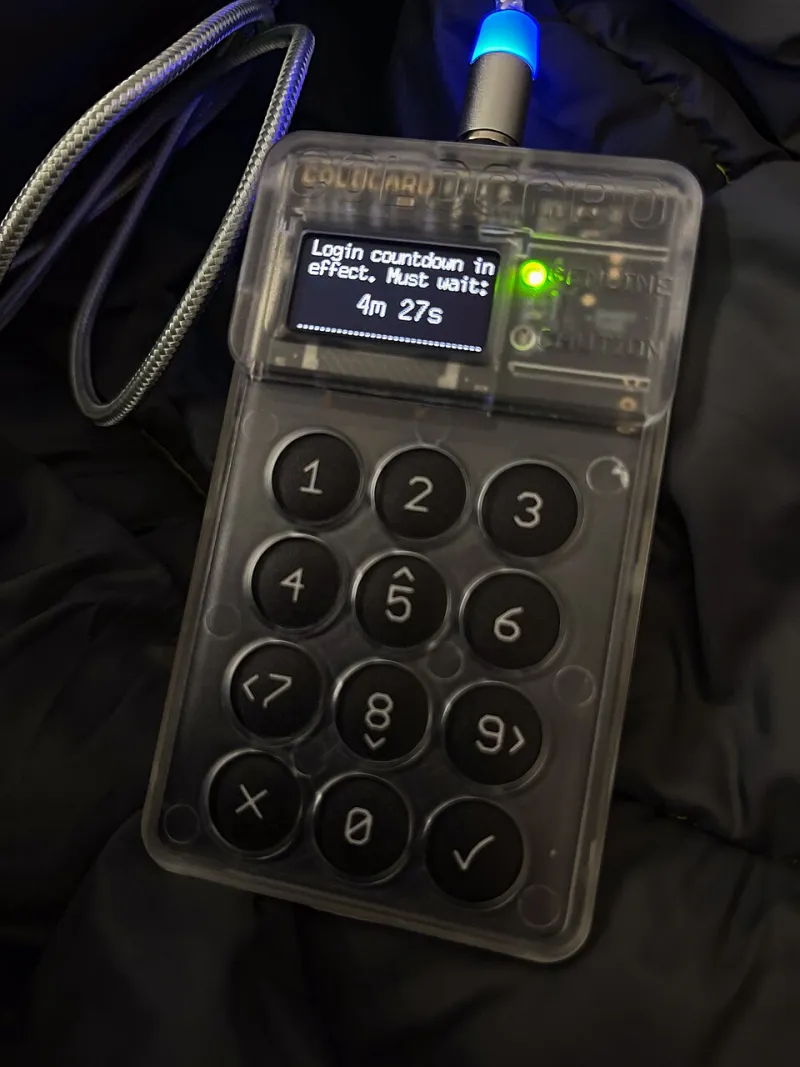
Photo: Tony Webster, CC BY 2.0, via Wikimedia Commons
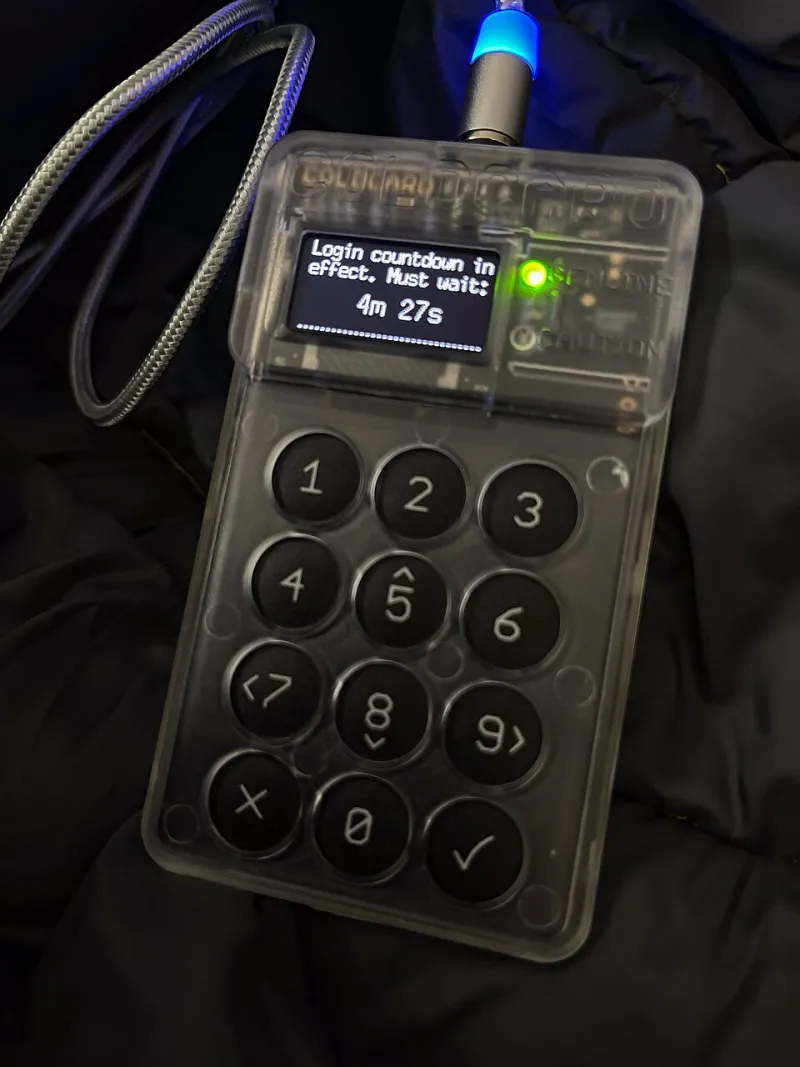
The pitch is compelling: disconnect your digital assets from the internet, store them on a tamper-resistant chip, and sleep soundly knowing no remote attacker can reach your holdings. Hardware wallets have become synonymous with serious self-custody, and for good reason — they do eliminate a meaningful category of threat. But the security narrative around these devices has quietly outpaced the reality of how most people actually use them.
For a growing number of American crypto holders, the hardware wallet sits in a drawer somewhere between a false sense of invincibility and a ticking clock. The device works exactly as advertised. The operational layer surrounding it often does not.
The Device Is Not the Weak Link — You Are
Security researchers and estate attorneys who work with digital assets will tell you the same thing: the hardware wallet itself is rarely the point of failure. The catastrophic losses they encounter almost always trace back to decisions made before the device was ever plugged in, or long after it was put away.
Consider the seed phrase — the 12- or 24-word recovery sequence generated during wallet setup. This string of words is your wallet. The hardware device is simply a convenient interface for signing transactions. If someone obtains your seed phrase, the physical device becomes irrelevant. If you lose it without a proper backup, the device's contents become permanently inaccessible regardless of how sophisticated the hardware is.
Yet survey data from security firms consistently shows that a substantial share of self-custody holders store their seed phrases in ways that would be considered negligent by any reasonable standard: screenshots saved to cloud storage, notes typed into smartphone apps, handwritten cards kept in the same location as the device itself. Each of these approaches undermines the fundamental security model the hardware wallet was designed to provide.
When 'Maximum Security' Breeds Dangerous Complacency
There is a particular risk that comes with premium security products: they can make users feel protected enough to skip the backup protocols that matter most. This dynamic plays out repeatedly in the crypto space.
One common scenario involves investors who purchase a hardware wallet, complete the initial setup, jot down their seed phrase casually, and then never revisit the backup process. Months or years later, a house fire destroys the written record. A cross-country move results in a lost device. A death in the family leaves heirs with a device they cannot access and no knowledge that a seed phrase ever existed. In each case, the hardware wallet performed flawlessly — and the funds were lost regardless.
Another pattern involves investors who upgrade to a new device without properly migrating their setup. They assume the new wallet is ready to use because it was initialized with the same seed phrase, but they never verify that the backup itself is accurate and complete. A single transcription error during the original setup — a word misspelled, a number transposed — will render the recovery phrase useless at the worst possible moment.
Firmware Vulnerabilities and the Update Dilemma
Hardware wallet manufacturers periodically release firmware updates that patch discovered vulnerabilities. This is standard and responsible practice. It also creates a dilemma that many users handle poorly.
Some investors, wary of anything that could disrupt their setup, never update their firmware. This leaves devices exposed to known exploits that have been publicly documented — in some cases, vulnerabilities that allow malicious software on a connected computer to manipulate transaction data displayed on the device screen. An investor who believes they are approving a transfer to one address may, under certain exploit conditions, be approving a transfer to another.
On the opposite end, investors who update firmware without first verifying the authenticity of the update source — or without understanding that some updates require re-entering seed phrases — have inadvertently exposed their recovery credentials during what they believed was routine maintenance.
Neither extreme represents sound practice. Firmware management requires attention and a basic understanding of the update process, neither of which the marketing materials for these devices tend to emphasize.
Physical Security and the Problem of Single Points of Failure
Cold storage implies physical possession. That means physical security becomes a genuine concern — one that many investors in the United States have not adequately addressed.
A hardware wallet stored in a home safe offers reasonable protection against casual theft but remains vulnerable to house fires, flooding, and targeted burglaries where the attacker knows what they are looking for. More critically, a single physical location for both the device and the seed phrase backup creates a single point of failure that no amount of cryptographic sophistication can compensate for.
Geographic distribution of backups — storing seed phrase copies in separate secure locations, such as a bank safe deposit box and a trusted family member's fireproof safe — is a well-established best practice that remains underutilized. Metal seed phrase storage products, which resist fire and water damage far better than paper, are widely available and inexpensive relative to the asset values they protect. Their adoption rate among retail investors remains surprisingly low.
Closing the Gap: Practical Steps for US Investors
Addressing the custody gap does not require technical expertise. It requires discipline and a willingness to treat backup protocols with the same seriousness that motivated the hardware wallet purchase in the first place.
Verify your seed phrase before you need it. Most hardware wallet manufacturers provide a recovery check function that allows users to confirm their seed phrase is accurate without exposing it. Use it. Do not assume the phrase you wrote down during setup is correct until you have verified it.
Separate your device from your backup. Storing both in the same location negates a meaningful portion of the security benefit. Treat the seed phrase as a separate, equally critical asset that deserves its own secure storage strategy.
Use durable backup media. Paper degrades, burns, and gets wet. Metal seed phrase storage plates are a modest investment that significantly extends the resilience of your backup against physical disasters.
Establish a documented access plan. If you were incapacitated tomorrow, could someone you trust locate and access your holdings? Estate planning attorneys with digital asset experience are increasingly common in the United States, and a properly structured plan can prevent permanent loss without compromising security during your lifetime.
Stay current on firmware — carefully. Follow your manufacturer's official channels for update notifications. Verify the source before initiating any update, and understand what the update process requires before beginning it.
The Honest Accounting of Self-Custody
Hardware wallets are genuinely excellent tools. They accomplish what they are designed to accomplish with a high degree of reliability. The problem is that self-custody is a system, not a product — and the device is only one component of that system.
American investors who have committed to holding their own keys have accepted a meaningful responsibility in exchange for meaningful control. That responsibility does not end when the device arrives in the mail. It begins there. The investors who understand this distinction are the ones whose cold storage actually stays cold when it matters most.